
Airbus Issues Largest A320 Recall in Company History: What Travelers Need to Know About the 6,000 Jet Global Grounding
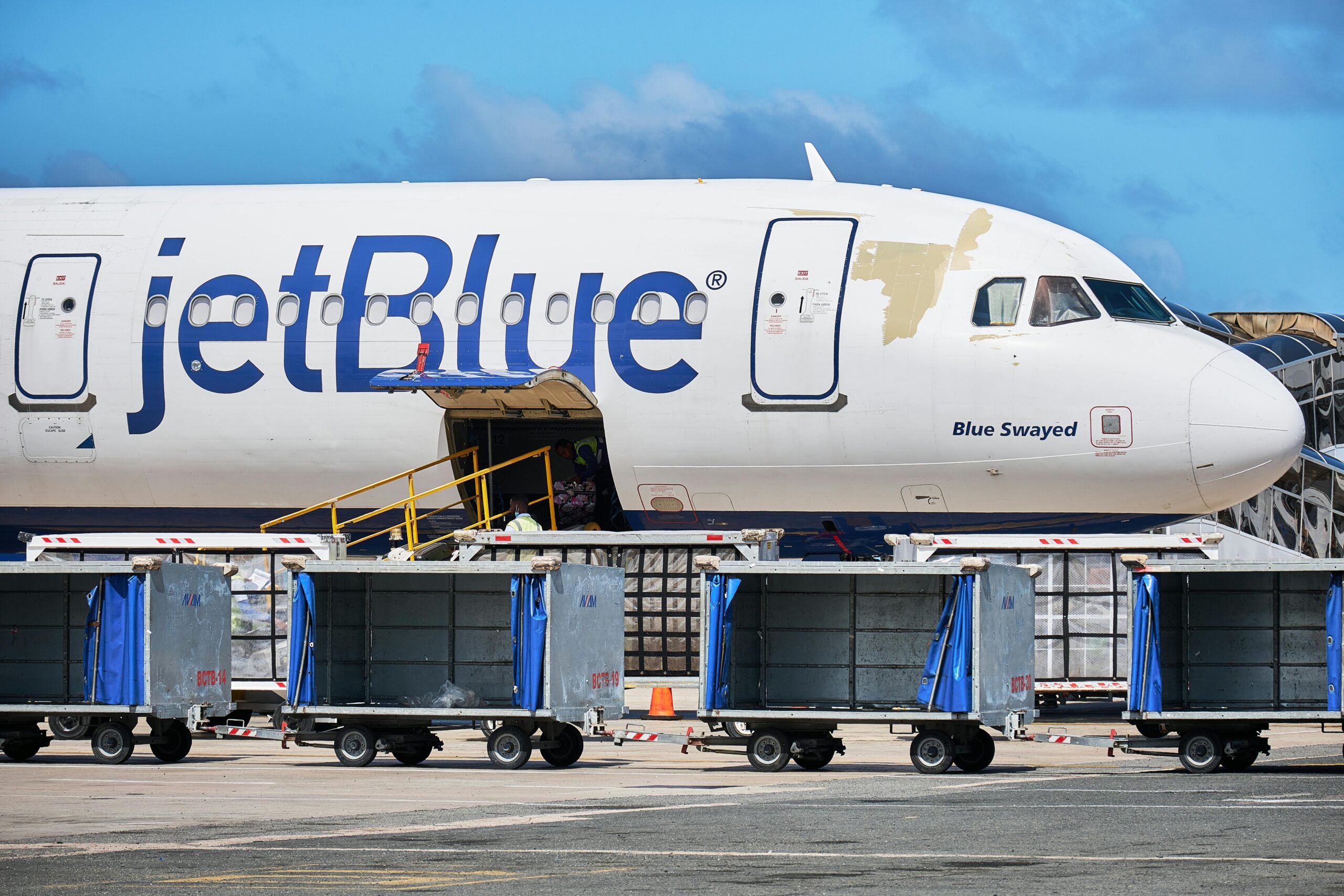
If you’re traveling this Thanksgiving weekend, there’s a good chance you’ve already heard about or experienced firsthand the chaos unfolding across global aviation. Airbus just issued one of the largest recalls in its 55-year history, affecting approximately 6,000 A320-family aircraft worldwide. And yes, the timing couldn’t be worse.
Here’s everything you need to know about what happened, which airlines are scrambling to comply, and what this means for your upcoming travel plans.
What Triggered the Recall
This all traces back to a JetBlue flight on October 30th. Flight 1230, traveling from Cancun to Newark, experienced what regulators are calling an “uncommanded and limited pitch down event” essentially, the aircraft’s nose suddenly dropped without pilot input. The plane made an emergency landing in Tampa, and 15 passengers suffered minor injuries.
The investigation revealed something genuinely concerning: intense solar radiation may have corrupted data in the aircraft’s Elevator Aileron Computer (ELAC), which sends commands from the pilot’s side-stick to the elevators that control the aircraft’s pitch. When that data gets corrupted, the aircraft can make uncommanded movements that exceed what pilots are expecting.
Airbus issued an urgent bulletin on Friday, and both the European Union Aviation Safety Agency (EASA) and the FAA quickly followed with emergency directives. The fix must be completed before affected aircraft can fly again no exceptions.
The Scale of the Problem
The numbers here are staggering. Airbus estimates that approximately 6,000 jets are affected over half of the entire A320-family fleet operating worldwide. The A320 is the workhorse of global aviation. It’s everywhere. American Airlines, Delta, JetBlue, United, Lufthansa, IndiGo, easyJet, Air France, ANA, Air India the list of affected operators reads like a who’s who of global aviation.
To put this in perspective, the A320 recently overtook the Boeing 737 as the most-delivered aircraft model in history. This recall is hitting the most popular jet in the sky at the worst possible time.
Which Airlines Are Most Affected
American Airlines has been hit hardest among US carriers. The airline initially identified 340 of its 480 A320-family aircraft as potentially affected, though the actual number requiring updates turned out to be 209. The airline worked around the clock and reported all updates were complete by Saturday afternoon. Delta, by contrast, had fewer than 50 aircraft affected and completed the work with minimal operational impact.
Internationally, the picture is more varied. Avianca in Colombia suspended ticket sales through December 8th because more than 70% of its fleet about 100 jets requires the fix. Japan’s ANA cancelled 95 domestic flights on Saturday, affecting around 13,200 passengers. India’s aviation regulator ordered all A320 flights halted until modifications were complete, though IndiGo reported completing updates on 160 of its 200 affected aircraft by Saturday.
In Australia, Jetstar cancelled around 90 flights after identifying 34 aircraft needing the software correction. Air France cancelled 38 flights about 5% of its daily total while Finnair passengers reported delays as pilots worked to verify which software version they had.
The Technical Explanation
For those interested in the mechanics, the issue affects a flight system called the ELAC (Elevator Aileron Computer), specifically aircraft running ELAC B software version L104. This computer translates pilot inputs into actual movement of the flight control surfaces.
The vulnerability appears when intense solar radiation such as during coronal mass ejections corrupts data in the ELAC’s memory. Aircraft cruising at 30,000-40,000 feet have far less atmospheric protection from cosmic rays than we do at sea level, and certain polar routes are particularly exposed due to weaker magnetic field deflection.
Interestingly, Thales, the manufacturer of the ELAC hardware, stated that the computer complies with Airbus specifications and that the affected functionality is controlled by software that isn’t under their responsibility. That’s corporate speak for “the hardware is fine, the software issue is on Airbus.”
Most aircraft need only a software rollback, which takes about 2-3 hours per plane. However, approximately 1,000 jets may also require hardware changes, which could extend repair times significantly.
What This Means for Travelers
If you’re flying over the next few days, here’s the practical reality: most major carriers have already completed or are close to completing the required updates. American Airlines confirmed all affected aircraft were cleared by Saturday afternoon. Delta, United, and others reported minimal disruptions.
That said, if you’re flying on carriers with heavy A320 exposure particularly budget airlines or operators in regions like South America or Asia delays and cancellations may continue into early December. Avianca’s suspension of ticket sales through December 8th is a good indicator of how long some airlines expect the ripple effects to last.
My advice? Check your flight status before heading to the airport, and have a backup plan if you’re connecting through hubs heavily served by A320 aircraft. If you’re flying internationally on affected carriers, give yourself extra buffer time.
The Bigger Picture
This recall raises broader questions about fly-by-wire systems and their vulnerability to environmental factors that weren’t fully anticipated when these aircraft were designed. The A320 was the first mainstream aircraft to introduce fly-by-wire computer controls when it entered service in 1988, and it’s been remarkably safe over nearly four decades of service.
But as we’ve seen with events ranging from the Boeing MAX to United’s recent IT meltdowns, the increasing complexity of modern aviation systems creates new categories of risk. A solar flare affecting flight control software isn’t something designers were thinking about 40 years ago. It’s a reminder that even the most reliable systems can have hidden vulnerabilities.
Airbus CEO Guillaume Faury acknowledged the situation on LinkedIn, noting the “significant logistical challenges and delays” while emphasizing safety as the company’s top priority. Credit where it’s due, Airbus moved quickly once the issue was identified, even knowing the timing would create massive disruptions.
Bottom Line
The A320 remains one of the safest aircraft ever built, and this recall is actually the system working as intended. A potential vulnerability was identified, regulators acted swiftly, and airlines are completing the fixes. The short-term pain is real cancelled flights, stranded passengers, disrupted holiday plans but it’s in service of long-term safety.
If you’re affected, contact your airline directly, document any expenses for potential reimbursement, and remember that this too shall pass. Airlines have strong financial incentives to get these aircraft back in service as quickly as possible.
For the aviation industry, this is yet another reminder that the entire ecosystem from manufacturers to regulators to airlines to passengers depends on transparent, rapid response to safety issues. On that front, at least, the system seems to be working.
Have you been affected by the A320 recall? Share your experience in the comments below.