
Delta Returns to Boeing Widebodies: Orders Up to 60 Dreamliners in Fleet Transformation
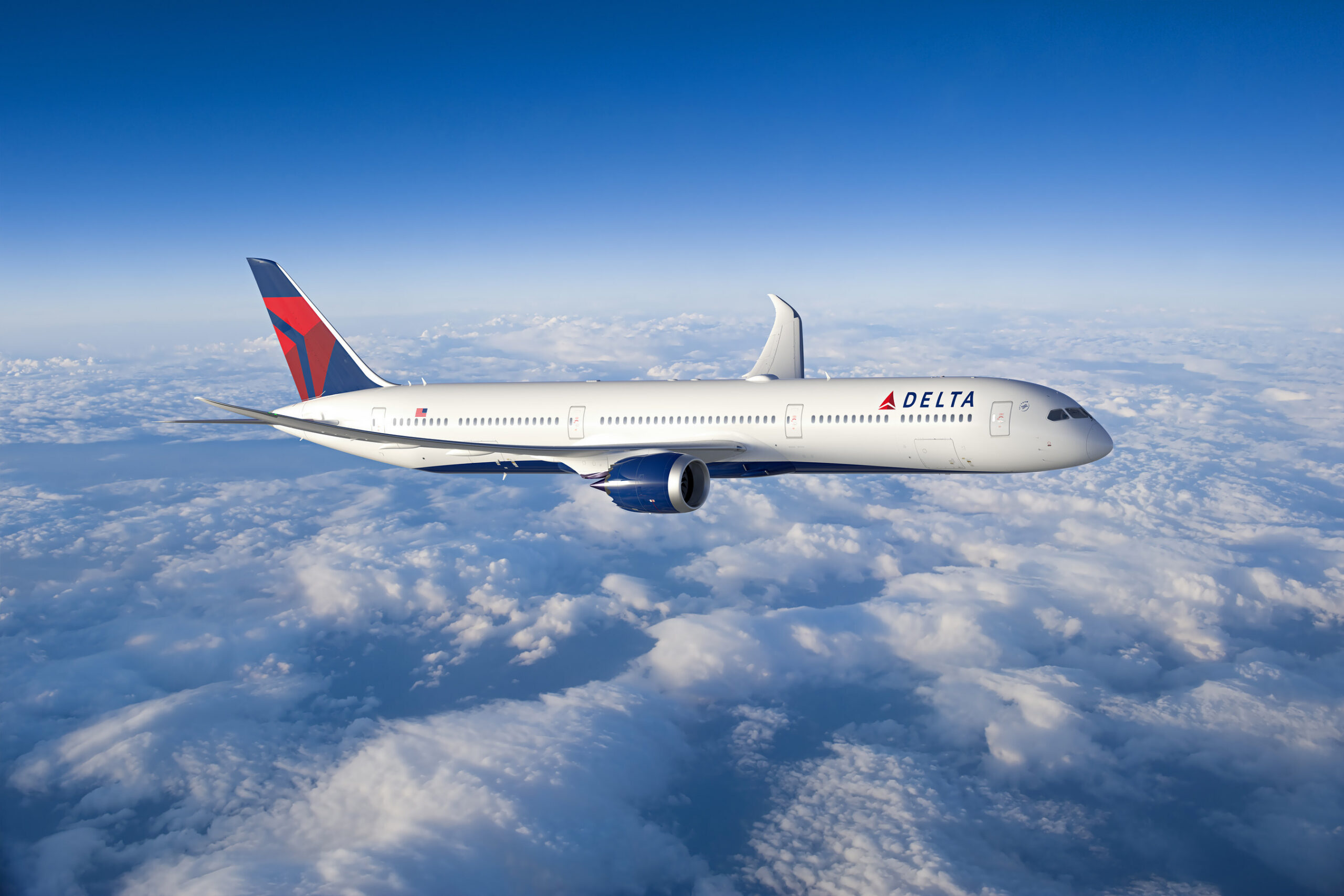
Delta Air Lines announced a major fleet expansion this week, placing its first ever direct order for Boeing 787 Dreamliners a strategic move that marks the airline’s return to Boeing for widebody aircraft after nearly two decades.
Order Details: 30 Firm, 30 Options
On January 13, 2026, Delta formalized an order for 30 Boeing 787-10 aircraft with options for 30 additional jets, bringing the potential total to 60 Dreamliners. This represents Delta’s first direct purchase of any 787 variant, positioning the airline to significantly modernize its long-haul international fleet.
The 787-10 is the largest member of Boeing’s Dreamliner family, and Delta selected it specifically for deployment on high demand transatlantic and South American routes. With capacity for up to 336 passengers in a typical configuration (though Delta’s final cabin layout will likely emphasize premium seating), the 787-10 offers 25% better fuel efficiency per seat compared to the aging aircraft it will replace.
Strategic Fleet Replacement Timeline
Deliveries Begin 2031
The first 787-10s are scheduled for delivery starting in 2031, aligning precisely with Delta’s Boeing 767 retirement strategy. The airline currently operates 59 Boeing 767s, including 37 767-300ERs and 21 767-400ERs.
Delta has committed to removing the 767-300ER fleet from international long-haul service by 2028 and retiring them completely by 2030. These aircraft average 25-30 years in age, Delta’s oldest widebody, tail number N171DN delivered in June 1990, has accumulated over 147,000 flight hours. The larger 767-400ERs will continue operating into the 2030s, but the 787-10 deliveries provide a long term replacement pathway for the entire 767 fleet.
Technical Specifications: Why the 787-10?
The Boeing 787-10 brings significant operational advantages:
Efficiency & Range
- 25% lower fuel consumption per seat versus previous generation widebodies
- Maximum range of 6,430 nautical miles (11,910 km)
- Lowest operating cost per seat of any widebody currently in production
- GE Aerospace GEnx-1B engines (both aircraft and engines manufactured in the United States)
Passenger Experience
- Largest windows of any commercial widebody aircraft
- Lower cabin altitude (6,000 feet vs. conventional 8,000 feet), reducing passenger fatigue
- 50% composite construction reduces weight and maintenance requirements
- Advanced air filtration and humidity control systems
- Quieter cabin through acoustic innovations including serrated engine nacelles
Operational Profile
- Length: 68.27 meters (224 feet)
- Wingspan: 60 meters (197 feet)
- Maximum takeoff weight: 254,000 kg (560,000 lbs)
- Cargo volume: 175 cubic meters
Delta’s Expanding Boeing Order Book
This 787 order increases Delta’s total Boeing commitments to 130 aircraft:
- 100 Boeing 737-10 MAX (ordered July 2022 at Farnborough Air Show)
- 30 Boeing 787-10 Dreamliners (firm order announced January 2026)
The 737-10 order, Delta’s first Boeing narrowbody purchase in over a decade awaits FAA certification. Originally expected to enter service in 2025, certification has been delayed due to technical issues with the anti-ice system, with current projections indicating 2026 at the earliest.
Delta currently operates more than 460 Boeing aircraft across its network, including 717s, 737s, 757s, and 767s, making Boeing a foundational element of the carrier’s fleet despite recent heavy investments in Airbus equipment.
Balancing Boeing and Airbus
Delta’s widebody strategy now features a carefully balanced mix:
Airbus Fleet
- 36 A350-900s (in service)
- 20 A350-1000s on order (firm, ordered January 2024)
- 20 A350-1000s (options)
- 76 A330s (mix of -200, -300, and -900neo variants)
Boeing Fleet
- 59 Boeing 767s (retiring 2028-2030+)
- 30 Boeing 787-10s on order (plus 30 options)
This dual supplier approach provides Delta with negotiating leverage, supply chain diversification, and the ability to match specific aircraft capabilities to route requirements. Delta Chief Commercial Officer Joe Esposito characterized the 787-10 as a “natural evolution,” noting it complements existing A350 and A330neo investments while offering particular strengths in premium seating configurations and cargo capacity.
Route Deployment Strategy
Primary Markets
- High demand transatlantic routes to Europe
- South American longhaul operations
- Select routes requiring 240-336 seat capacity with premium emphasis
Strategic Fit
The 787-10’s 6,430 nautical mile range cannot match the A350-900’s 8,100 mile capability or the A350-1000’s 8,700 mile range, limiting it from ultra long haul markets like Atlanta-Johannesburg. However, it excels on the Atlantic and to South America, where 90%+ of twin aisle routes fall within its operational envelope.
Economic and Employment Impact
Boeing emphasized that this order supports U.S. aerospace manufacturing:
- 787-10 final assembly occurs exclusively at Boeing’s North Charleston, South Carolina facility
- GEnx engines designed and manufactured in the United States by GE Aerospace
- Supports thousands of jobs across Boeing’s production system and supplier network
- Reinforces Boeing’s position as America’s largest aerospace exporter
Stephanie Pope, President and CEO of Boeing Commercial Airplanes, stated: “We are excited that Delta Air Lines has selected the 787-10 to join its fleet of the future. The 787 Dreamliner’s unmatched efficiency, range, and passenger comfort make it a perfect fit for Delta’s international expansion and fleet modernization.”
Financial Considerations
Neither Delta nor Boeing disclosed the order value. At current list prices, 30 Boeing 787-10s would total approximately $10.1 billion, though airlines typically negotiate substantial discounts on large orders industry analysts estimate discounts of 40-50% on widebody orders of this size.
Delta CFO Dan Janki confirmed the order falls within the airline’s previously announced capital expenditure guidance. With 787-10 deliveries not commencing until 2031, the financial impact spreads across the latter half of this decade and into the 2030s.
What This Means for Passengers
Near Term (2026-2030)
- Continued 767 operations on international routes, with 767-300ERs gradually transitioning to domestic and shorter international missions
- Potential for additional 767 cabin retrofits, though unlikely given retirement timelines
- A350-1000 deliveries (starting 2026) will begin replacing some 767 flying
Long Term (2031+)
- Modern 787-10 cabins with Delta’s latest premium products
- Improved passenger comfort on 10+ hour flights through lower cabin altitude and higher humidity
- Larger windows with electrochromic dimming
- Enhanced inflight connectivity and entertainment systems
- More reliable operations through newer, more efficient aircraft
Broader Fleet Context
As of January 2026, Delta operates 986 mainline aircraft, making it the world’s third largest commercial airline fleet. The carrier has 294 new aircraft on order across both Boeing and Airbus, representing one of the most aggressive fleet modernization programs in Delta’s history.
Delta’s Total Widebody Order Book:
- 54 widebody aircraft on order (30 Boeing 787-10s + various Airbus A330/A350 commitments)
- 232 narrowbody aircraft on order (primarily Airbus A220s, A321neos, and Boeing 737 MAX 10s)
Industry Implications
This order sends several signals:
- Boeing Competitive Recovery: After years of production challenges and delivery delays, securing Delta historically an Airbus leaning customer post Northwest merger represents a significant win for Boeing’s commercial aircraft division.
- 787 Production Momentum: The program continues receiving orders despite past quality control issues that temporarily halted deliveries in 2021-2022. Boeing has delivered over 1,249 787s to date from a total order book exceeding 2,300 aircraft.
- Long Term Fleet Planning: Delta’s 2031 delivery timeline reflects mature, strategic planning rather than urgent capacity needs, contrasting with post pandemic scrambles for immediate deliveries.
Historical Context: Delta and Boeing Widebodies
Delta’s last widebody order from Boeing came nearly 20 years ago, before the airline’s fleet strategy shifted heavily toward Airbus following the 2008 merger with Northwest Airlines. The Northwest merger introduced substantial Airbus equipment into Delta’s fleet, and subsequent widebody orders went exclusively to Airbus until now.
Delta has previously operated Boeing 747s (retired 2017), Boeing 777s (retired 2020), and continues flying Boeing 767s. The airline’s decision to return to Boeing for widebody equipment suggests satisfaction with 767 economics over their service life and confidence in the 787 platform’s maturity after its troubled development period.
What’s Next?
Key questions remain:
- Will Delta exercise the 30 options? Converting options to firm orders would bring Delta’s 787 fleet to 60 aircraft, making it one of the largest 787-10 operators globally.
- Cabin configuration details: How will Delta balance premium versus economy seating? The airline has been emphasizing premium revenue, suggesting a configuration weighted toward Delta One suites, Premium Select, and Comfort+.
- Network evolution: Which specific routes will receive 787-10 service first? Expect initial deployment on proven high demand markets to validate performance before broader network integration.
- 737 MAX 10 certification: The continued delay in 737-10 certification creates uncertainty in Delta’s narrowbody renewal plans, potentially affecting the timing and economics of the overall fleet transformation.
Bottom Line
Delta’s Boeing 787-10 order represents strategic fleet planning at its finest, aligning aircraft deliveries with predictable retirement schedules, maintaining manufacturer competition, and positioning the airline for sustainable longhaul growth through the 2030s.
For frequent flyers, the 787-10’s arrival means enhanced comfort, improved reliability, and Delta’s latest premium products on key international routes. For Delta, it means maintaining its position as one of the world’s premier longhaul carriers with one of the industry’s most fuel efficient widebody fleets.
The 2031 delivery timeline may seem distant, but in aerospace planning cycles, it represents typical lead times for major fleet transitions. Delta’s announcement today shapes the international flying experience passengers will enjoy a decade from now.